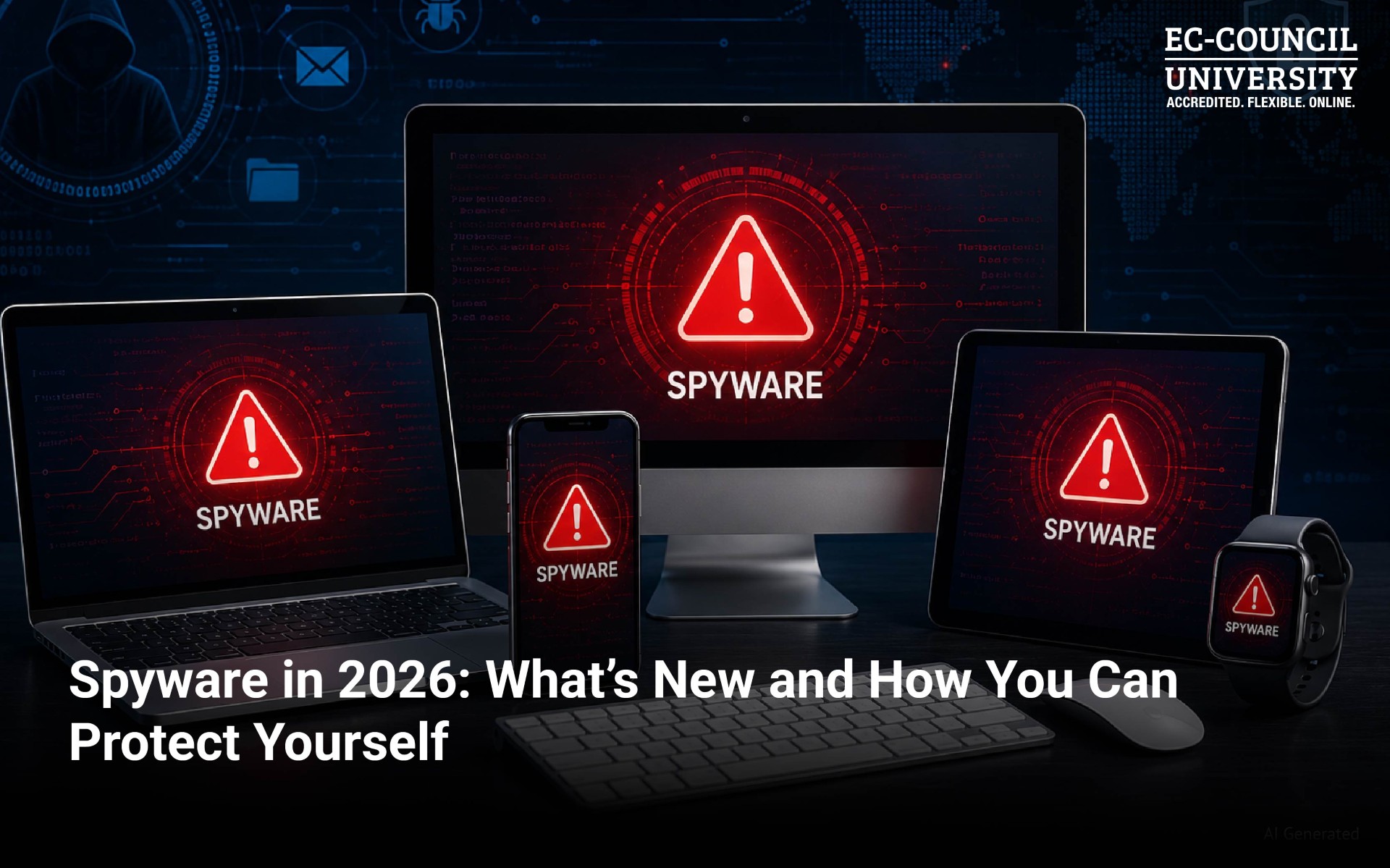
Spyware in 2026: What’s New and How You Can Protect Yourself
An Overview of Spyware in 2026 Spyware remains one of the most dangerous and underestimated forms of cybercrime in 2026. While ransomware and phishing often


An Overview of Spyware in 2026 Spyware remains one of the most dangerous and underestimated forms of cybercrime in 2026. While ransomware and phishing often
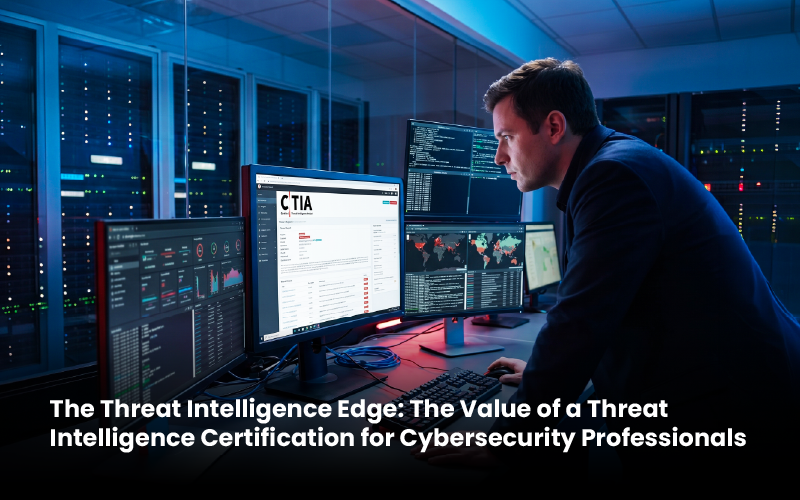
Article Overview This article explores the key facets of threat intelligence in cybersecurity, how it has evolved over the years, what present-day threat intelligence entails,
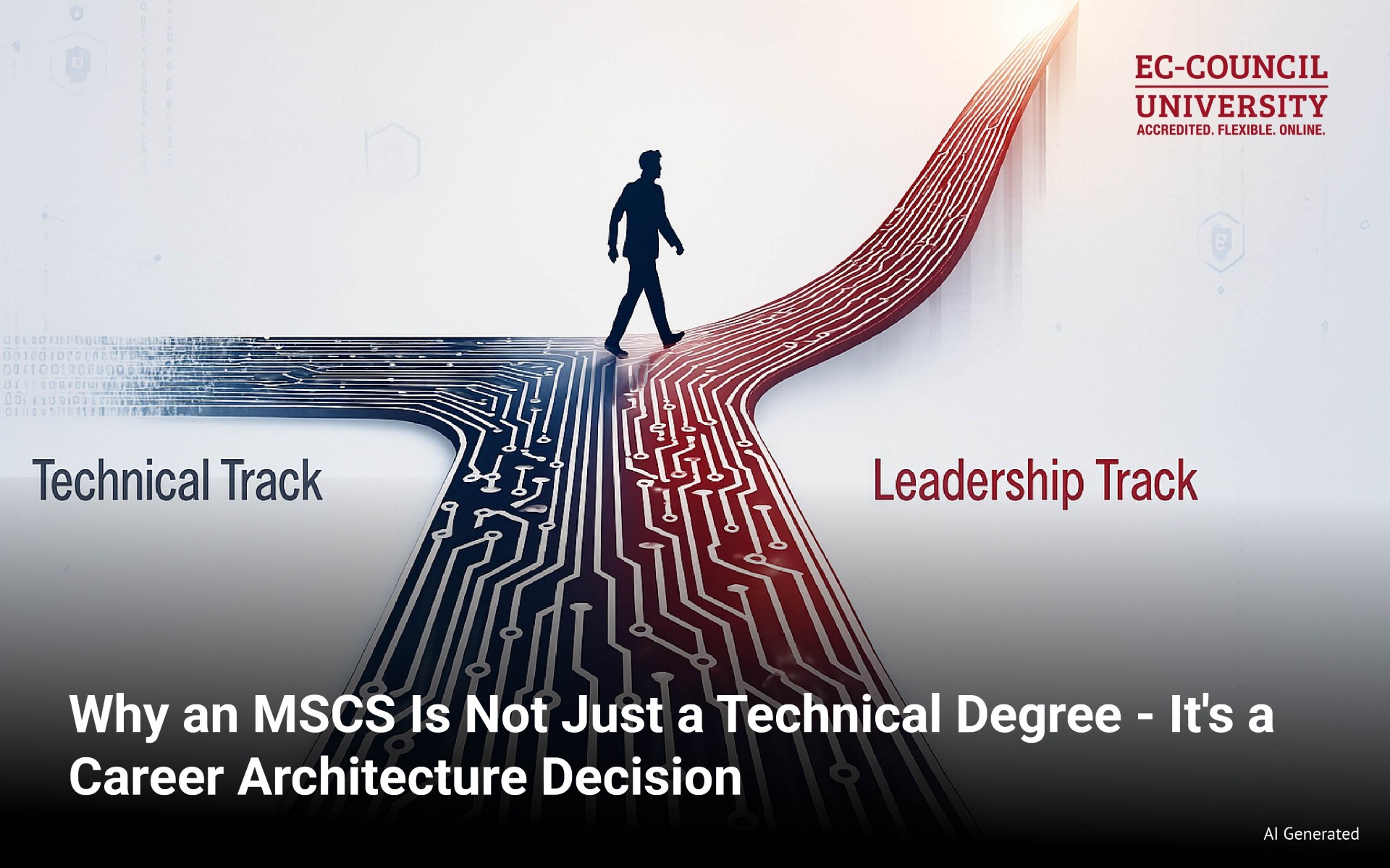
Most cybersecurity professionals treat a master’s degree as a knowledge upgrade. Those who reach the CISO, VP of Security, or Security Architect treat it as
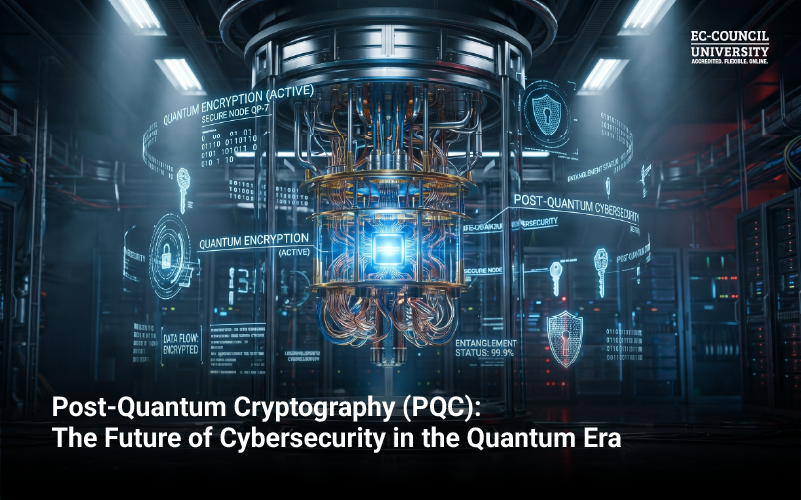
With governments, technology giants, and research institutions worldwide investing heavily in quantum computing innovation, cybersecurity leaders are preparing for one of the largest cryptographic transitions

Cybersecurity education has a problem. The threats changed. For years, security programs have trained professionals to recognize known attack patterns, patch known vulnerabilities, and respond
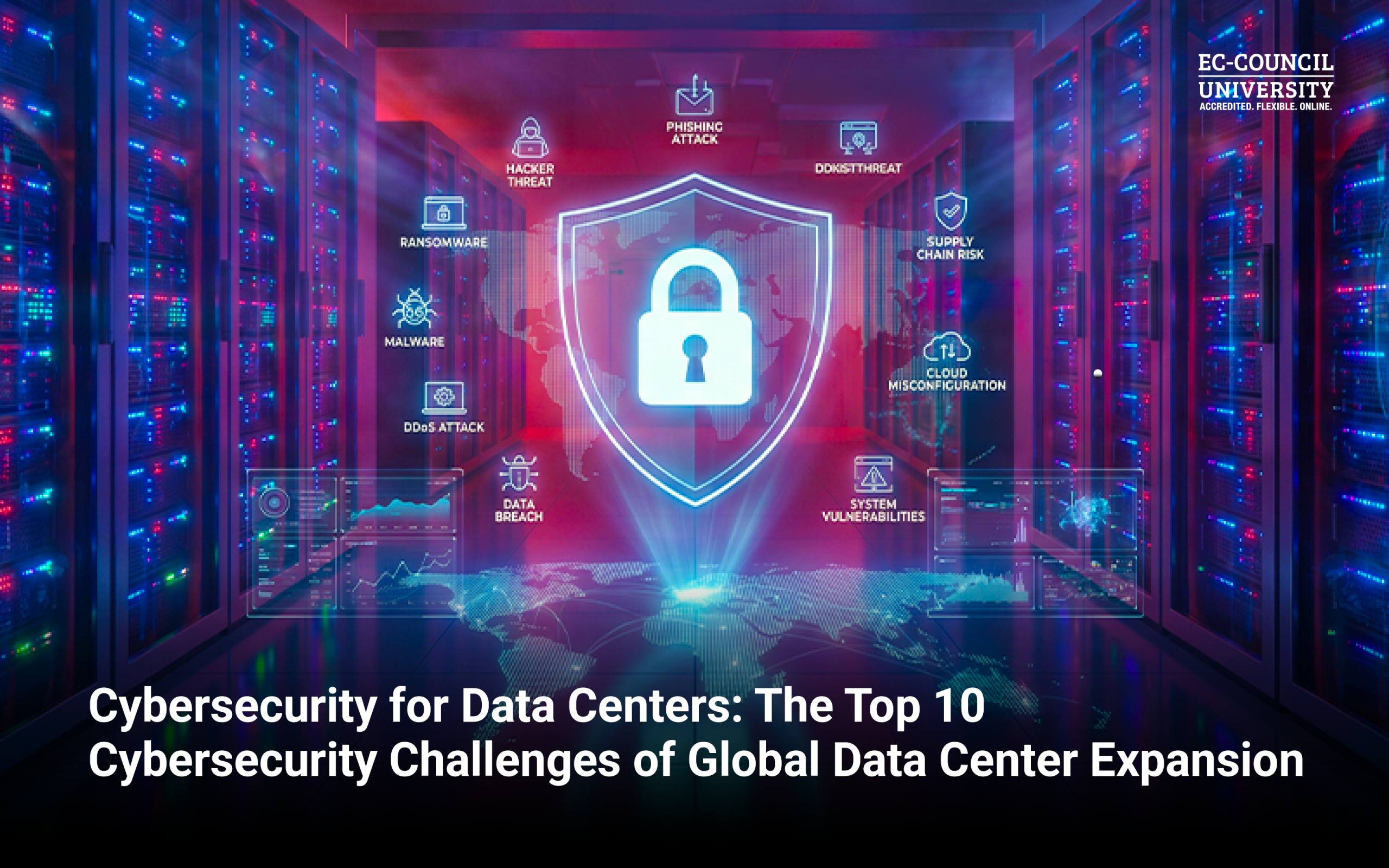
Why Cybersecurity and Data Center Expansion Go Hand-in-Hand Thanks to artificial intelligence (AI), cloud computing, IoT, remote work, streaming services, and digital transformation initiatives, organizations
There is no finish line in cybersecurity education. A master’s degree is a strong foundation. The field you graduate into will not be the same

Transitioning from military service to a civilian career can feel overwhelming. But in cybersecurity, veterans already possess many of the qualities that the industry urgently
Most cybersecurity job listings today aren’t just asking for security awareness. They want engineers who can read code, architects who understand threat surfaces, and developers
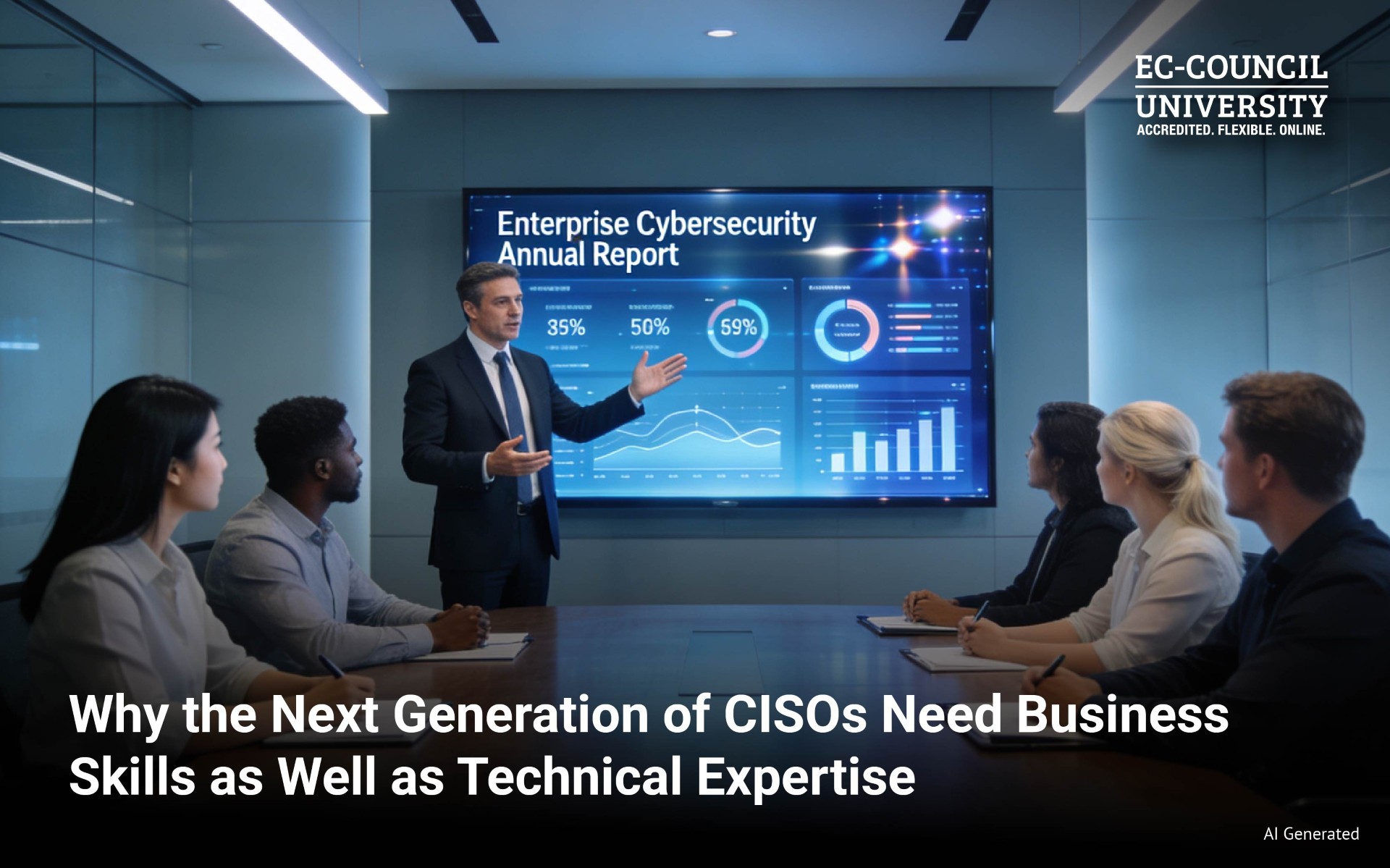
Becoming A CISO – Then Vs. Now For years, the career path to becoming a Chief Information Security Officer (CISO) looked fairly predictable. Gain experience
Why Cybersecurity Demands a Continuous Learning Mindset We’ve been told for decades that the go-to educational blueprint is to earn a degree, enter the workforce,
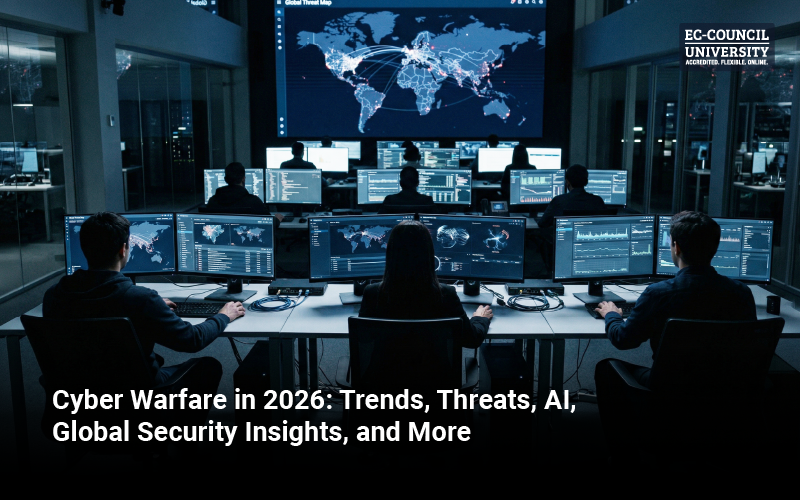
What is Cyber Warfare? Cyber warfare is now a fully operational theater of conflict that shapes global power dynamics in real time, reaching unprecedented levels
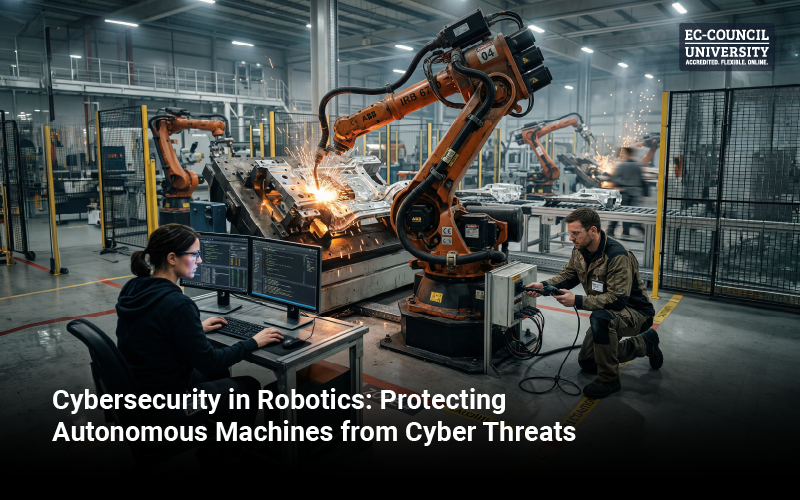
Cybersecurity in Robotics is Not Optional From isolated mechanical systems to highly connected, intelligent platforms that power industrial operations at scale, the field of robotics
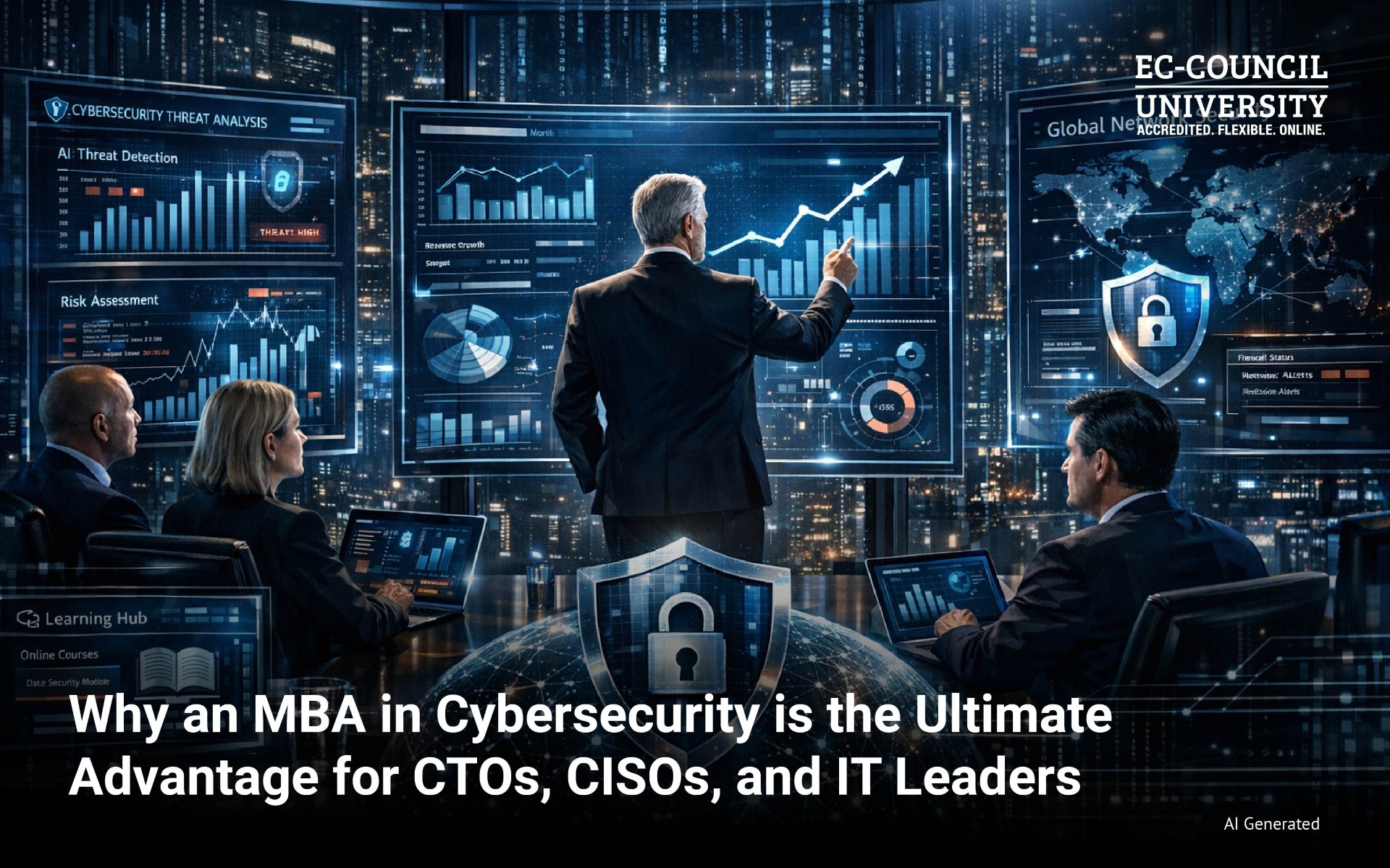
Cybersecurity Has Entered the Boardroom Cybersecurity has moved beyond the concerns of IT departments to become a core business priority. Today, cyber risk is considered
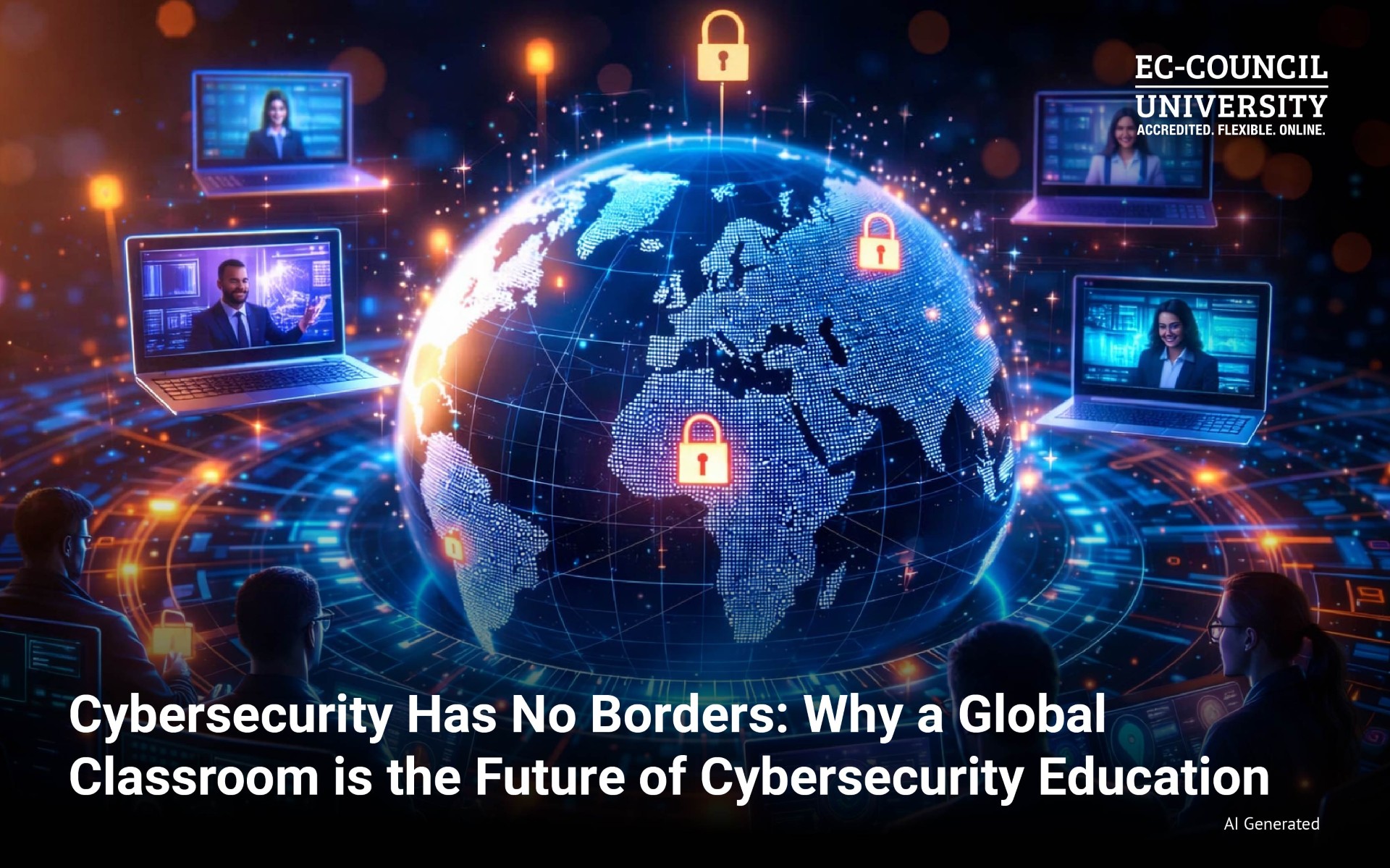
Cyber Threats Don’t Recognize Borders Cybercriminals do not respect sovereign or political boundaries, and their malicious actions can reverberate worldwide. A ransomware attack launched in
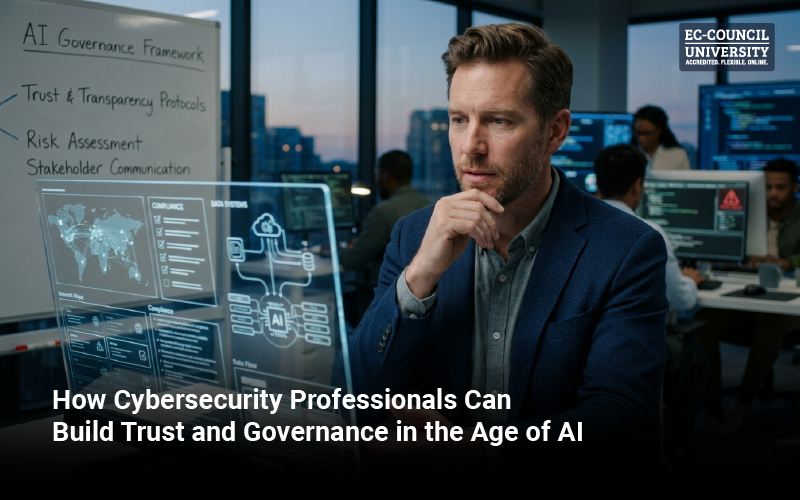
The Growing Importance of AI Governance It’s no secret that AI is increasingly being used in companies’ business operations across industries. McKinsey’s State of AI
Professional Development is Essential in Cybersecurity Cybersecurity is not a static industry. Threat landscapes evolve, new technologies emerge, regulations change, and artificial intelligence is reshaping
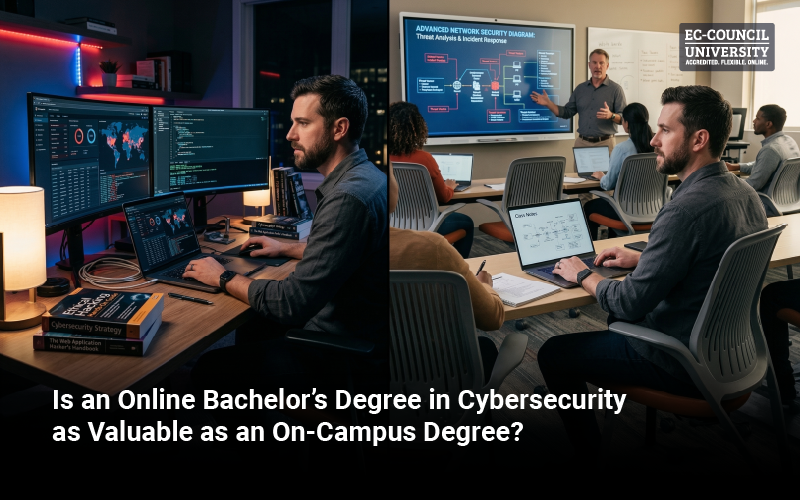
Why Cybersecurity Education Has Evolved Beyond Traditional Classroom Learning Cybersecurity has become one of the fastest-growing fields worldwide. Organizations across industries are racing to hire

Leadership is often discussed in broad motivational terms. In cybersecurity, however, leadership has measurable consequences. Cybersecurity leaders influence organizational resilience, regulatory compliance, crisis response, and

Productivity Isn’t About Being Busy In the modern-day professional environment, being busy is not particularly difficult. However, being effective is rare. Across industries, from cybersecurity
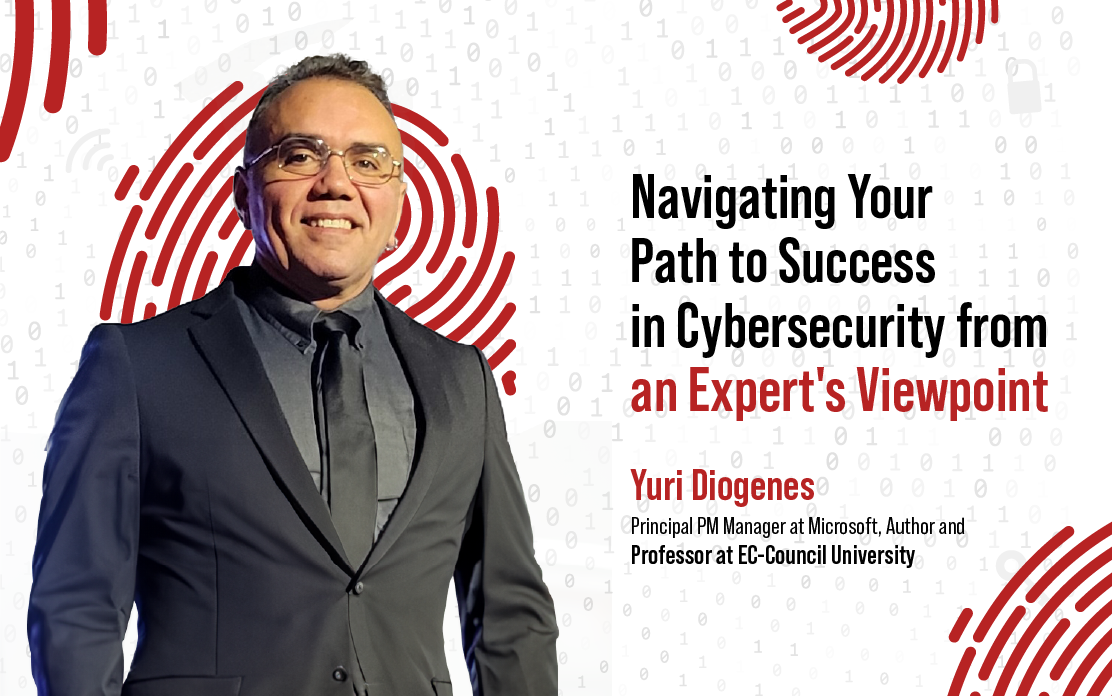
The demand for cybersecurity professionals has reached unprecedented heights. With the constant proliferation of cyber threats and the crucial need to safeguard sensitive data, there’s a significant shortage of skilled cybersecurity experts. You’re on the right track if you’re considering a career in this dynamic field. This blog is your
1. How does cloud technology help to secure a remote workforce compared to traditional on-premises solutions? Cloud technology has the ability to adapt quicker to changes needed to secure workloads. It can spin up new services/servers to account for increased load during demand. It can also be more highly available

As data becomes more central to businesses, there are more opportunities for compliance violations and a greater risk of breaches. Therefore, data security and privacy have become more critical than ever. Cybersecurity professionals today are effectively entrusted with defending organizations’ data across multiple environments, making the role of a CISO

The dark data industry is rapidly growing, and cyber crimes will only increase in the future. Dark data is generally the data collected as part of compliance but is not effectively used as part of business strategy or marketing. Thus, this type of additional but excessive data that is not