
What This Article Explores
Modern cyberattacks rarely succeed because of a single technical flaw. They succeed because attackers combine weaknesses across people, processes, technology, cloud systems, vendors, and human behavior. That is why red teaming has become one of the most important cybersecurity practices today.
Unlike traditional penetration testing, red teaming simulates how real-world adversaries actually think and operate. Ethical hackers attempt to achieve realistic objectives, such as stealing sensitive data, bypassing defenses, or manipulating employees, while remaining undetected. The goal of red teaming is to answer a very important question: “Could a real attacker successfully compromise this organization?”
Red teaming helps organizations uncover hidden security gaps, test incident response readiness, validate defensive tools, and improve resilience against modern threats, including AI-driven attacks and advanced social engineering. At its core, red teaming is about organizational self-awareness. It challenges assumptions, exposes blind spots, and forces businesses to evaluate whether their cybersecurity defenses truly work under real-world pressure. As cyber threats become more sophisticated, organizations that continuously test themselves will be far better prepared than those that rely solely on compliance checklists and theoretical security controls.
Why Red Teaming Matters in Cybersecurity
Most organizations believe they understand their cybersecurity weaknesses. They run vulnerability scans, deploy endpoint protection, conduct annual penetration tests, and even train employees to spot phishing emails. Yet major breaches continue to occur because attackers rarely behave as defenders expect. This uncomfortable reality sits at the heart of modern cybersecurity.
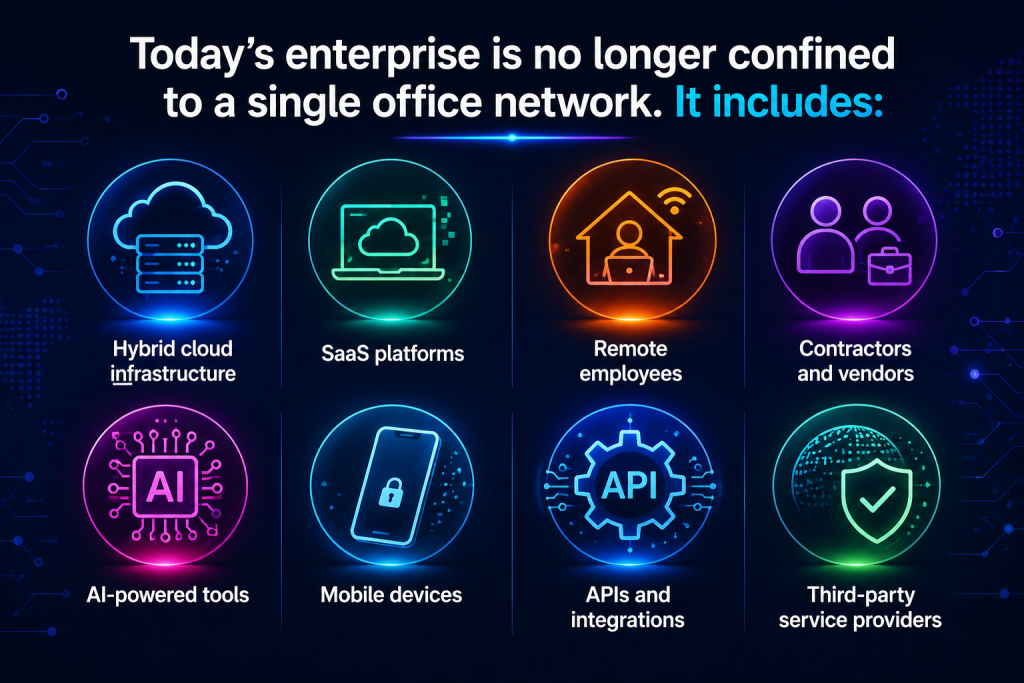
Security leaders today are not simply defending networks and devices. They are defending human behavior, decision-making processes, cloud ecosystems, supply chains, identities, APIs, remote workers, AI-enabled systems, and increasingly complex digital environments. Modern cyberattacks exploit the spaces between those systems. This is precisely why red teaming is considered among the most valuable cybersecurity practices. Red teaming forces organizations to confront a difficult but transformative question: “If a sophisticated attacker targeted us today, how would we actually fail?”
That question changes everything.
What Red Teaming Means
At its core, red teaming is about understanding organizations from an adversary’s perspective. A red team does not merely search for technical flaws. Instead, it attempts to think, adapt, improvise, and behave like a real attacker. That distinction matters more than most organizations realize.
Real-world attackers do not care whether a vulnerability exists in isolation. They care whether weaknesses can be combined. An exposed cloud asset may seem harmless on its own. A reused password may not appear catastrophic. A distracted employee may not look like a security risk. A delayed software patch may seem manageable. But attackers can connect these seemingly minor weaknesses to execute large-scale breaches.
Red teaming simulates this reality. Rather than asking: “What vulnerabilities exist?”, red teaming asks: “How would an intelligent adversary chain weaknesses together to accomplish a mission?”
That mission may involve:
- Stealing sensitive data
- Deploying ransomware
- Accessing executive accounts
- Compromising cloud infrastructure
- Bypassing security monitoring
- Manipulating employees
- Disrupting business operations
The objective is realism. And realism is often uncomfortable.
Why Traditional Security Validation Is No Longer Enough
For years, many organizations approached cybersecurity as a compliance problem. If required controls existed, leadership assumed risk was manageable. But compliance does not automatically equal resilience. Attackers do not care whether an organization passed an audit. They care whether they can get in.
Verizon’s 2025 Data Breach Investigations Report found that vulnerability exploitation increased by 34%, while third-party vendor involvement in breaches doubled to 30%. These numbers reveal something important: Organizations are not losing only because attackers are sophisticated. They are losing because modern environments are extraordinarily interconnected.
The Human Side of Cybersecurity
One of the most misunderstood aspects of cybersecurity is the assumption that technology alone prevents breaches. Technology matters a lot, but human behavior remains central to security outcomes. Attackers understand this deeply, which is why many successful attacks begin with psychology. A convincing AI-generated phishing email. A fake support request. A phone call pretending to be IT. A sense of urgency. A moment of distraction.
Cybersecurity professionals often describe people as the “weakest link,” but that phrase oversimplifies the problem. Employees are not inherently careless. They are simply human. And modern attackers are exceptionally skilled at exploiting trust, pressure, urgency, and routine behavior.
This is one reason red teaming is so valuable. It evaluates how people respond under realistic conditions. Can employees recognize sophisticated phishing attempts? Will the help desk follow verification procedures? Can physical intruders bypass security checkpoints? Will executives unknowingly expose sensitive information?
These are not hypothetical concerns. They reflect how real attacks unfold every day.
Red Teaming Reveals the Difference Between Security and Security Theater
Many organizations invest heavily in cybersecurity visibility tools, such as dashboards, automated alerts, threat intelligence feeds, AI-powered vulnerability detection, and incident response platforms. But one of the most important questions remains: “Will any of this work during a real attack?” Red teaming exists to answer that question honestly.
In many organizations, security tools generate enormous amounts of data but limited operational clarity. Teams become overwhelmed by alerts, critical signals get lost in constant noise, incident response processes look strong on paper but fail under pressure, detection systems identify known threats but miss novel attack paths, and so on. Red team exercises expose these realities.
This is why mature organizations increasingly treat red teaming as a strategic learning exercise rather than a technical competition. The goal is not for the red team to “win.” The goal is for the organization to improve.
The Rise of AI-Enabled Adversaries
Artificial intelligence is reshaping both cyber defense and cyber offense. Organizations are rapidly adopting AI-powered security tools to improve detection, automate workflows, and accelerate incident response. Attackers are doing the same thing.
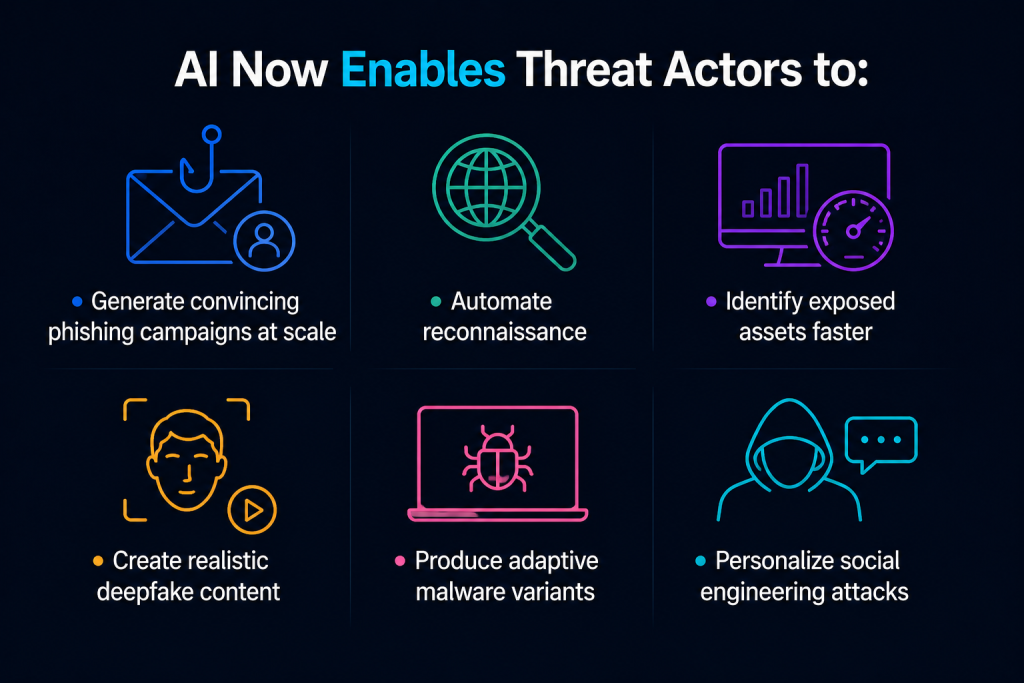
This evolution matters because it lowers the barrier to sophisticated attacks. Attack capabilities once limited to advanced nation-state groups are becoming increasingly accessible. This creates a critical challenge for defenders.
Organizations cannot prepare for future threats with yesterday’s assumptions alone. Red teaming helps bridge that gap. It forces organizations to test how emerging attack methods could impact real-world operations before actual adversaries exploit those same pathways.
Red Teaming Is Ultimately About Organizational Self-Awareness
Perhaps the most important contribution red teaming provides is organizational self-awareness. Many security programs unintentionally develop blind spots over time, as teams become accustomed to existing controls, processes become normalized, and assumptions go unchallenged. Red teaming disrupts this comfort.
It asks organizations to see themselves from the outside. Where are the detection gaps? Where does communication break down? Which systems create hidden dependencies? How quickly can defenders recognize abnormal behavior? What happens when multiple small failures occur simultaneously? These are difficult questions, but they must be answered.
Modern cyberattacks rarely succeed due to a single catastrophic failure. They succeed because organizations underestimate how small weaknesses accumulate.
Why Executive Leadership Should Care About Red Teaming
Red teaming is increasingly being viewed as a business resilience issue because today’s cyberattacks affect:
- Revenue
- Customer trust
- Regulatory compliance
- Operational continuity
- Brand reputation
- Investor confidence
- Supply chain stability
This shift is driving increased board-level attention toward realistic cybersecurity validation. Regulators are also placing greater pressure on organizations to demonstrate operational preparedness.
The SEC’s cybersecurity disclosure requirements, for example, have elevated executive accountability around cyber risk transparency. As a result, cybersecurity leaders are increasingly expected to ensure enterprise-wide resilience, which is why they place significant value on red teaming exercises.
How Cybersecurity Professionals Can Master Red Teaming
Becoming highly skilled at red teaming requires far more than learning hacking tools or penetration testing techniques. The best red team professionals develop an attacker’s mindset by understanding how adversaries exploit weaknesses across technology, cloud systems, business processes, and human behavior.
As cyber threats become increasingly sophisticated and AI-driven, cybersecurity professionals must continuously expand their offensive security capabilities through hands-on, real-world certification courses:
- The globally acclaimed Certified Ethical Hacker (CEH) course from EC-Council University (ECCU) helps professionals build foundational offensive security knowledge by teaching reconnaissance, vulnerability analysis, exploitation techniques, social engineering, and cloud security concepts. More importantly, CEH introduces learners to how attackers think and operate.
- For professionals seeking advanced expertise in adversary simulation, ECCU’s Certified Penetration Testing Professional (CPENT) certification focuses on realistic enterprise attack scenarios, including lateral movement, Active Directory exploitation, privilege escalation, and bypassing security controls across segmented environments. This hands-on experience closely mirrors modern red team operations.
- As artificial intelligence reshapes cybersecurity, offensive security professionals must also understand AI-specific threats. ECCU’s Certified Offensive AI Security Professional (COASP) certification prepares cybersecurity experts to assess AI-enabled systems, adversarial machine learning risks, prompt injection attacks, and AI-assisted cyber threats.
Together, these certifications help professionals build the technical depth, strategic thinking, and adaptability required to become highly effective red team operators in today’s evolving threat landscape.
To know more about obtaining these certifications: