The Contradictory Nature of the Entry-Level Cybersecurity Job Market
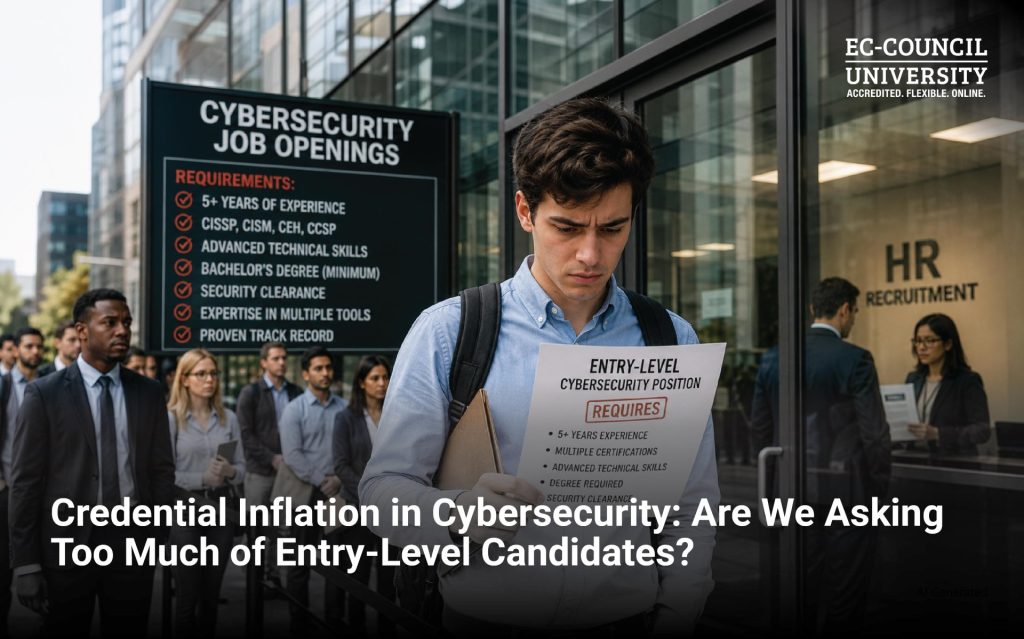
If you’ve been searching for your first cybersecurity job, you’ve probably experienced the same frustration as thousands of other aspiring professionals. You find an “entry-level” Security Analyst position, only to discover it requires three to five years of experience, multiple certifications, proficiency with half a dozen security platforms, cloud expertise, scripting knowledge, and incident response experience.
This raises an obvious question:
How is anyone supposed to qualify for an entry-level cybersecurity position without already having significant career experience?
You’re not imagining the disconnect. Throughout the cybersecurity industry, hiring managers, educators, and workforce experts acknowledge that many job descriptions have drifted far beyond what should reasonably be expected of junior candidates. This mismatch is often driven by employer risk aversion, increasingly complex technology environments, automated recruiting systems, and job descriptions that accumulate new requirements over time without removing outdated ones. Unfortunately, the result is a weaker talent pipeline and an even larger cybersecurity workforce shortage.
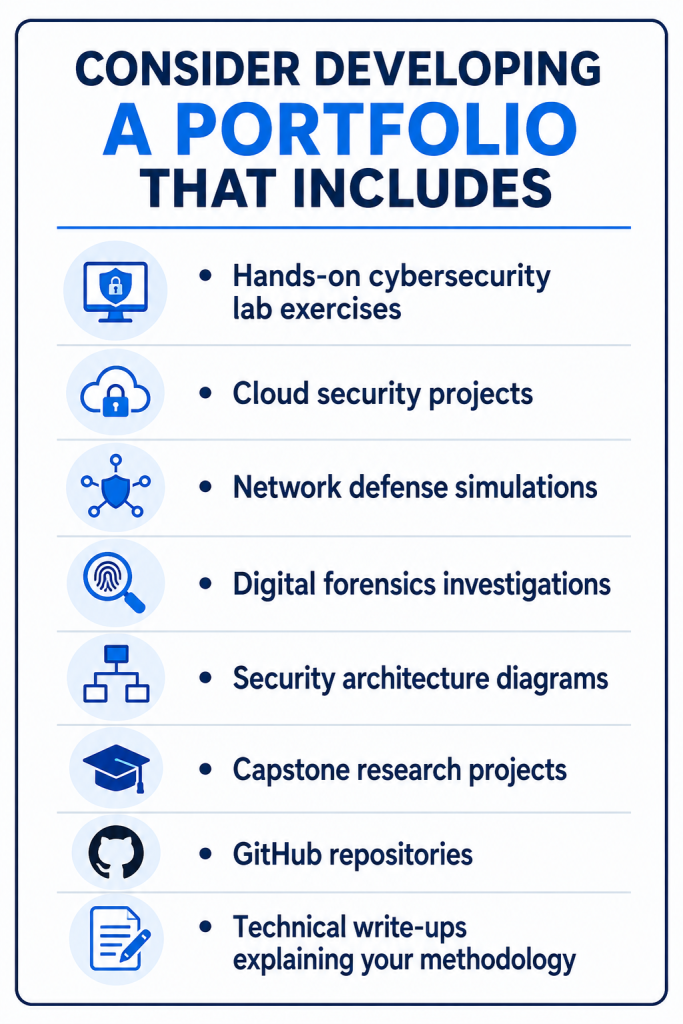
Sound advice would be for students to focus less on collecting every possible credential and more on building demonstrable, real-world skills. Employers increasingly value candidates who can show what they’ve built, analyzed, defended, or investigated through virtual lab simulations, portfolios, and projects.
What Credential Inflation Looks Like in Cybersecurity
Credential inflation occurs when employers ask for qualifications that significantly exceed what a role genuinely requires. Examples include:
- An entry-level SOC Analyst role requiring 3–5 years of experience
- Junior cloud security positions demanding multiple advanced cloud certifications
- Security analyst openings requesting CISSP eligibility despite the certification requiring professional experience
- Positions listing knowledge of ten or more cybersecurity technologies as mandatory rather than preferred
Cybersecurity evolves rapidly. Unfortunately, many job descriptions do not. Instead, organizations frequently update postings by adding new technologies, certifications, and responsibilities while leaving older requirements intact.
Why Is Credential Inflation Happening?
The following factors have contributed to the credential inflation trend:
- First, cybersecurity has become a business-critical function. A single security incident can cost millions of dollars, making employers naturally risk-averse.
- Second, automated applicant tracking systems (ATS) encourage organizations to use certifications, degrees, and years of experience as screening filters when hundreds of applicants compete for a single opening.
- Finally, credentials have become convenient signals in periods of uncertainty. Employers cannot easily evaluate every applicant’s technical ability, so certifications and experience become proxies, even when they are imperfect indicators of performance.
The Paradox: A Widening Skills Gap and Unfilled Entry-Level Roles
This creates one of cybersecurity’s greatest paradoxes. The World Economic Forum’s Global Cybersecurity Outlook 2025 reports that the cybersecurity skills gap remains a significant concern worldwide, with organizations scrambling to recruit qualified professionals. Similarly, ISC2’s 2025 Cybersecurity Workforce Study estimates the global cybersecurity workforce gap at approximately 4.8 million professionals. Yet many junior candidates struggle to obtain their first opportunity because hiring expectations exceed realistic entry-level capabilities.
Certifications vs. Demonstrated Competence
Professional certifications remain valuable. They demonstrate commitment, foundational knowledge, and familiarity with cybersecurity best practices. EC-Council certifications, such as Certified Ethical Hacker (CEH), Certified Network Defender (CND), or Computer Hacking Forensic Investigator (CHFI), often help candidates pass initial screening.
However, certifications alone do not prove someone can investigate alerts, analyze malware, configure security controls, or respond to incidents. Increasingly, employers want evidence that candidates can apply what they’ve learned. That evidence may include:
- Threat hunting exercises
- Digital forensic investigations
- Cloud security implementations
- Knowledge of SIEM dashboards
- Conducting vulnerability assessments
- Incident response documentation
- Capture-the-Flag competitions
- Security automation scripts
The strongest candidates combine recognized credentials with practical proof of competence.
How to Strengthen Your Job Readiness Without Credential Inflation
Hiring managers consistently tell us that practical experience, even when gained through education, helps candidates stand out.
Another valuable strategy is learning to describe your skills in relation to the NICE Framework for Cybersecurity. This Framework defines standardized cybersecurity work roles, tasks, knowledge, and competencies that many employers already use when hiring. When your resume features NICE terminology, hiring managers can more easily connect your abilities with the responsibilities of their open positions.
How Structured Cybersecurity Education Helps
Well-designed, accredited cybersecurity programs and certification courses provide far more career benefits than classroom instruction. The strongest programs integrate:
- Hands-on virtual labs
- Industry-recognized certifications
- Real-world case studies
- Capstone projects
- Applied research
- Collaborative team exercises
These experiences generate tangible artifacts that demonstrate your capabilities during interviews. A completed capstone project investigating ransomware, securing a cloud environment, or designing an enterprise’s security architecture often is stronger evidence of job readiness than simply listing another certification on your resume. For many students, these projects effectively substitute for traditional work experience by demonstrating how they solve real-world cybersecurity challenges.
Advice for Cybersecurity Job Seekers
If you’re beginning your cybersecurity career, don’t let intimidating job descriptions discourage you. Instead:
- Apply for roles where you meet approximately 60–70% of the listed requirements.
- Build a portfolio that demonstrates technical ability.
- Participate in Capture-the-Flag competitions and cybersecurity lab exercises.
- Translate transferable skills from IT, military service, networking, software development, customer support, or project management.
- Earn certifications strategically rather than collecting them indiscriminately.
- Pursue accredited education that combines theory with extensive hands-on practice.
An Appeal to Employers (and the Cybersecurity Industry)
The cybersecurity community also has an opportunity to rethink hiring practices. Organizations can strengthen their talent pipelines by:
- Separating “required” qualifications from “preferred” qualifications.
- Hiring for aptitude and learning ability instead of exhaustive credential lists.
- Expanding internships, apprenticeships, and junior analyst programs.
- Evaluating candidates through technical assessments and practical exercises instead of relying solely on years of experience.
- Aligning job descriptions with actual day-to-day responsibilities.
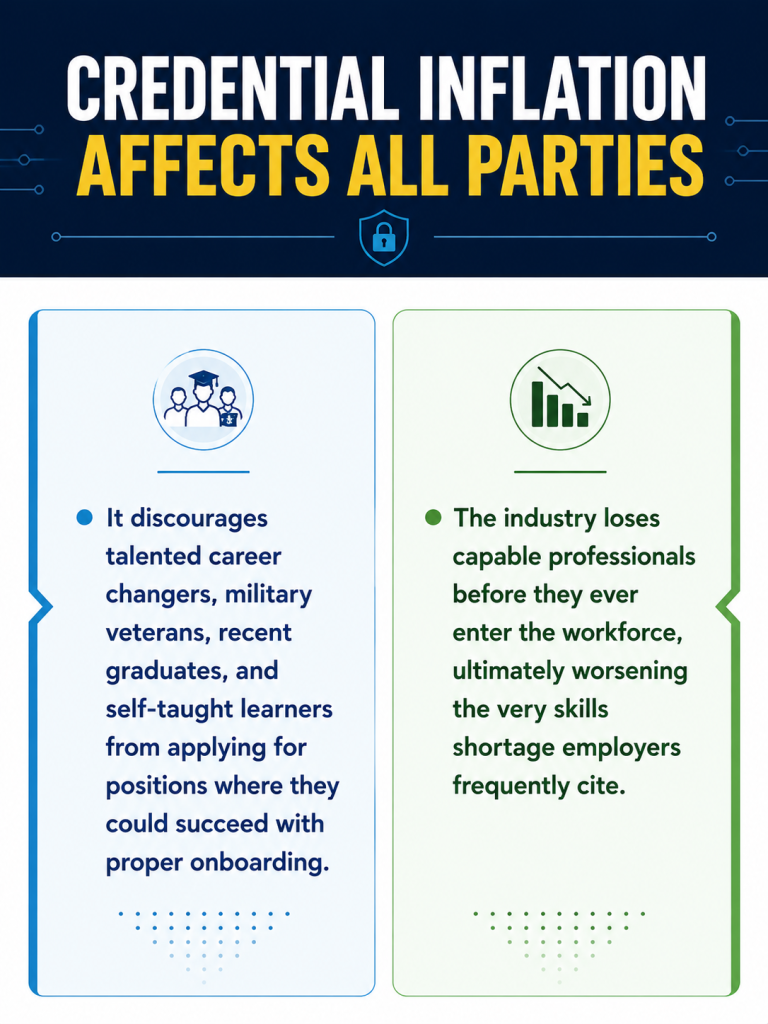
Reducing unnecessary credential barriers will not lower hiring standards, but rather expand access to talented professionals who are fully capable of succeeding with appropriate mentorship and structured onboarding.
Conclusion
Credential inflation has become one of the most significant barriers facing aspiring cybersecurity professionals. Cybersecurity certifications and degrees remain important, but they are not the whole equation. Today’s employers also want evidence that candidates can apply their knowledge to realistic security challenges.
If you’re entering cybersecurity, invest your time wisely. Build practical skills. Create a portfolio. Complete meaningful projects. Learn to communicate your capabilities using industry-recognized frameworks. These are the signals that increasingly distinguish successful candidates in today’s competitive cybersecurity job market.
For more advice on how to launch a successful career in cybersecurity:
Frequently Asked Questions About Credential Inflation in Cybersecurity
Credential inflation occurs when employers require qualifications, certifications, or experience that exceed what is realistically necessary to perform an entry-level cybersecurity role.
Organizations often increase requirements because of risk aversion, automated hiring systems, evolving technology stacks, and outdated job descriptions that accumulate additional qualifications over time.
Certifications are valuable because they demonstrate foundational knowledge and commitment. However, employers increasingly expect candidates to complement certifications with hands-on projects, labs, and practical experience.
Develop a portfolio showcasing cybersecurity labs, capstone projects, GitHub repositories, technical documentation, Capture-the-Flag participation, and other practical work. Demonstrating what you can do is often more persuasive than simply listing credentials.
Yes. An accredited cybersecurity degree that combines academic theory, hands-on laboratories, embedded certifications, and capstone projects provides both recognized credentials and practical evidence of your technical abilities, making you a more competitive candidate in today’s hiring market.