What is Cyber Warfare?
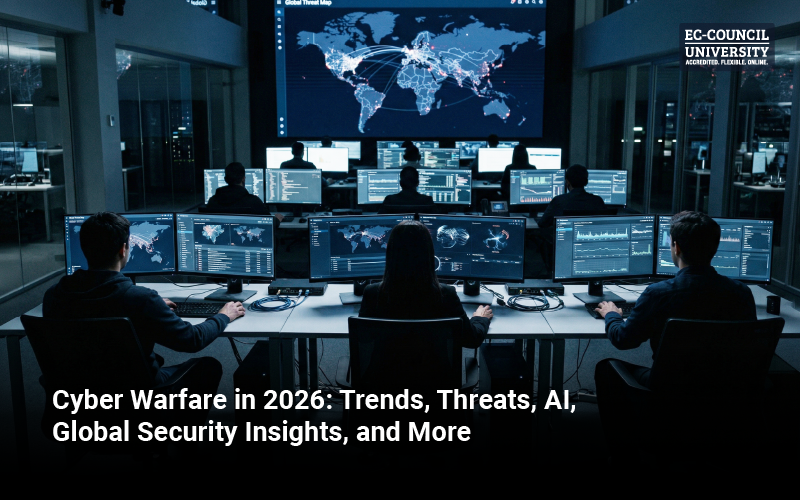
Cyber warfare is now a fully operational theater of conflict that shapes global power dynamics in real time, reaching unprecedented levels in scale and economic impact. It’s an arms race of sophisticated cyberattack mechanisms developed by nations to use against their geopolitical adversaries. We’re at a point where the U.S. Department of War set a $13.5 billion budget for cyber activities in 2024, while the global cyber warfare market is projected to exceed $136 billion by 2033.
Serving as a tool for amplifying influence, sowing disruption, and exerting control, cyber warfare targets the very systems that underpin modern society, such as energy grids, healthcare facilities, financial markets, everyday technologies, national defense, and democratic institutions.
The Evolution of Cyber Warfare
Cyber warfare has undergone a profound transformation over the past decade. What began as isolated acts of cyber espionage has evolved into a continuous spectrum of operations that blend intelligence gathering, disruption, and psychological manipulation. Early cyber operations focused on stealth, exfiltrating sensitive data without detection. Today, these operations increasingly prioritize visibility and impact.
Modern cyber warfare is also deeply integrated with hybrid war strategies, as evidenced by the fact that over 100 countries have created dedicated military cyber warfare units. Cyberattacks now accompany kinetic military operations, economic sanctions, and disinformation campaigns. This convergence creates a multi-layered battlefield where digital actions magnify physical and political outcomes.
The result is a state of “persistent engagement” where nations continuously probe, test, and exploit each other’s digital defenses without formally declaring war.
Global Power Dynamics: A Multipolar Cyber Threat Landscape
The cyber domain reflects a multipolar world order. While the United States, China, Russia, Iran, and North Korea remain dominant players, the ecosystem has become increasingly decentralized. Nation-states now operate alongside:
- Anonymous hacking groups
- Private cyber mercenary firms
- Ideologically motivated hacktivists
- Organized cybercriminal syndicates
This convergence has blurred the line between state and non-state actors. Governments often leverage proxy groups to conduct operations, enabling plausible deniability while maintaining strategic influence. For example, a recent study shows that cyberattacks launched by perpetrators unofficially aligned with foreign intelligence agencies wiped out nearly €300 billion from Germany’s economy in 2025.
At the same time, alliances are adapting. The United States and its allies have increasingly recognized cybersecurity as a core component of collective defense. Cyber capabilities are now embedded within military doctrine, intelligence operations, and diplomatic strategy.
The Rise of AI-Driven Cyber Warfare
Artificial intelligence is fundamentally reshaping cyber warfare by accelerating both offense and defense.
On the offensive side, AI enables attackers to:
- Automate reconnaissance and vulnerability scanning at scale
- Generate hyper-personalized phishing campaigns
- Develop adaptive malware that evolves in real time
- Create convincing deepfakes for disinformation operations
These capabilities dramatically reduce the cost and complexity of launching sophisticated attacks, allowing smaller groups to achieve an outsized impact.
On the defensive side, AI enhances:
- Threat detection through behavioral analytics
- Automated incident response
- Predictive risk modeling
AI-driven security tools can significantly reduce the cost of a cyberattack, demonstrating the tangible value of intelligent defense systems.
However, the asymmetry remains. Attackers only need to succeed once, while defenders must succeed every time.
Why Critical Infrastructure is a Primary Target in Cyber Warfare
Critical infrastructure is a clear target in cyber warfare due to its strategic importance and potential to cause widespread societal disruption, compromise public safety, and trigger economic instability. Key sectors include:
- Energy and utilities
- Healthcare systems
- Transportation services
- Water supply and sanitation
Healthcare and energy, in particular, are considered high-value targets. The most recent example of cyber warfare affecting a healthcare provider is the attack on U.S. medical technology giant Stryker by a pro-Iranian hacker group in retaliation for the ongoing war in Iran (as of March 2026).
Emerging Technologies: Expanding the Cyber Warfare Attack Surface
The rapid adoption of the following technologies is creating new and complex attack surfaces:
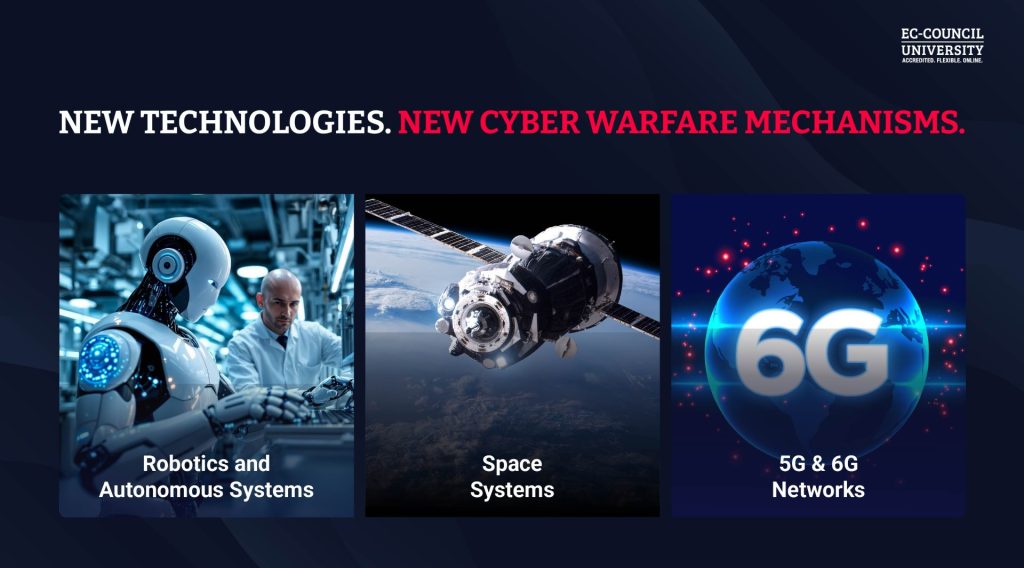
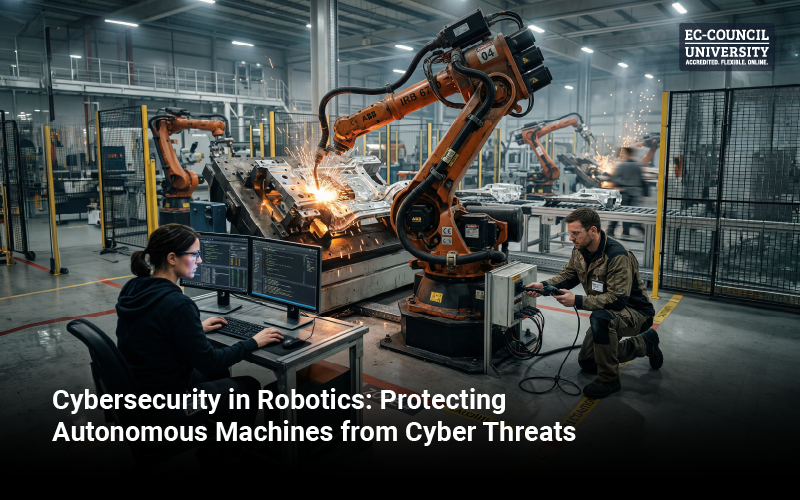
- Robotics and Autonomous Systems: As industries increasingly rely on robotics, vulnerabilities in these systems could lead to physical harm, operational disruption, or even weaponization.
- Space Systems: Satellites are critical to communication, navigation, and defense. Cyberattacks targeting space infrastructure could disrupt GPS systems, financial transactions, and military coordination.
- 5G and 6G Networks: Next-generation networks like 6G enable massive connectivity, but also introduce new entry points for attackers. The decentralization of network architecture complicates synchronized security and increases risk exposure.
Supply Chain Attacks in Cyber Warfare
Third-party vendor or supply chain attacks have become one of the most effective tactics in cyber warfare. Instead of targeting organizations directly, attackers compromise trusted vendors, software providers, or open-source components. This approach allows them to infiltrate multiple organizations simultaneously.
DeepStrike reports that third-party involvement in breaches is multiplying, highlighting the growing reliance on interconnected ecosystems. These attacks are particularly dangerous because:
- They exploit implicit trust relationships
- They provide long-term, persistent access
- They’re difficult to detect and mitigate
Ransomware: From Cybercrime to Cyber Warfare Weapon
Ransomware has evolved into a powerful tool of cyber warfare, blending financial motives with geopolitical objectives. As of 2025:
- Ransomware has been involved in 44% of all data breaches
- The number of active ransomware groups has surged globally
- The United States remains the most targeted country for ransomware attacks
Modern ransomware campaigns are multi-layered. Attackers not only encrypt data but also:
- Exfiltrate sensitive information
- Threaten public disclosure
- Disrupt operations to maximize pressure
This evolution reflects a broader shift toward impact-driven attacks, where the goal is to create maximum disruption rather than extract payment.
Information Warfare: The Battle for Perception
Cyber warfare extends beyond systems and into the cognitive domain. Disinformation campaigns, social media manipulation, and deepfake technologies are being used to influence public opinion, destabilize societies, and undermine trust in institutions. These tactics are particularly effective because they exploit:
- Algorithmic amplification on social platforms
- Confirmation bias among audiences
- The speed of digital information dissemination
In democratic societies, the impact can be profound, shaping elections, influencing policy debates, and eroding public confidence. Cyber warfare, in this sense, is as much about controlling narratives as it is about controlling networks.
Legal and Policy Challenges
Despite the growing prevalence of cyber warfare, international legal frameworks remain underdeveloped. Key challenges include:
- Lack of universally accepted definitions of cyber warfare
- Difficulty in attributing attacks to specific actors
- Limited mechanisms for enforcement and accountability
For instance, in the United States, the likelihood of identifying and prosecuting cybercriminals remains extremely low, estimated at just 0.05%. This creates an environment where attackers can operate with relative impunity. Efforts to establish global norms are ongoing, but progress is slow. In the absence of clear rules, risks associated with cyber warfare are escalating unpredictably.
The Future of Cyber Warfare
Emerging technologies and evolving strategies will shape the next phase of cyber warfare. Key trends to watch include:
- Quantum computing, which could render current encryption methods obsolete
- Autonomous cyber weapons capable of operating without human intervention
- Increased integration of cyber operations into conventional military doctrine
Cyber warfare will become more automated, more pervasive, and more difficult to contain.
The Cybersecurity Workforce Gap: A Critical Vulnerability
One of the most pressing challenges in cyber warfare is the shortage of skilled professionals. The global cybersecurity workforce gap has exceeded 4.5 million unfilled roles, with nearly two-thirds of organizations reporting staffing shortages. This lack of talent represents a major vulnerability because, without sufficiently skilled professionals, even the most advanced technologies cannot be effectively deployed or managed in the digital battlefield.
However, cyber warfare is about more than just technical proficiency. It demands interdisciplinary expertise that spans:
- Cybersecurity
- AI
- Geopolitics
- Risk management
In the realm of cyber warfare, individuals with military backgrounds are particularly valuable. Those who can combine their understanding of military operations with cybersecurity know-how can thrive in this domain.
This episode of Cyber Talks explores the role of military veterans on the front lines of cyber warfare:
The Role of Cybersecurity Education in Cyber Warfare
Cyber warfare is ultimately a human challenge. It requires both technology and expertise to solve it. This is where cybersecurity education comes to the forefront. High-quality cybersecurity education can:
- Bridge the gap between theory and practice
- Prepare professionals for real-world threat scenarios
- Enable continuous upskilling in a dynamic environment
EC-Council University: Leading the Way
EC-Council University (ECCU) has emerged as a global leader in cybersecurity education by aligning academic programs with real-world needs. ECCU’s approach to cybersecurity education is defined by:
- Industry-aligned curricula with instructions from renowned cybersecurity experts.
- Flexible online cybersecurity degrees and courses that span a range of critical cybersecurity disciplines, including cyber warfare.
- An emphasis on hands-on learning in virtual lab environments that simulate real-world cyber warfare scenarios.
- A focus on leadership and strategic thinking, preparing students for roles in national security and enterprise defense.
- Embedding globally accepted cybersecurity certifications into degree coursework.
Watch Retired Major Timothy Amerson (U.S. Military) explain how ECCU empowers professionals aiming for cybersecurity leadership:
Cyber warfare operates in the shadows but can impact every aspect of modern life, from national security to individual privacy. As it continues to expand in scale and scope, the ability to defend against cyber threats will depend on technological innovation, strategic foresight, global collaboration, and a highly skilled cybersecurity workforce.
In this new era of conflict, education is a core pillar of defense. By leveraging a holistic cybersecurity education framework, ECCU is playing a vital role in closing the cybersecurity workforce gap and strengthening global cyber resilience.
To know more about ECCU:
Frequently Asked Questions About Cyber Warfare in 2026
Cyber warfare involves persistent, state-sponsored, or politically motivated digital attacks targeting critical industries, systems, infrastructure, and information ecosystems.
Rising geopolitical tensions, digital transformation, and the accessibility of advanced tools such as AI are driving an increase in cyber warfare.
AI enhances both attack and defense capabilities, enabling faster, more scalable cyber operations.
Ransomware and supply chain attacks are among the most significant threats due to their scale and impact.
Many critical infrastructure systems, such as those used to manage energy grids, are outdated, interconnected, and lack advanced security frameworks.
Organizations can protect themselves from cyber warfare threats by adopting zero trust, investing in AI-driven security, building resilient systems, and employing cybersecurity professionals with validated qualifications and real-world experience.