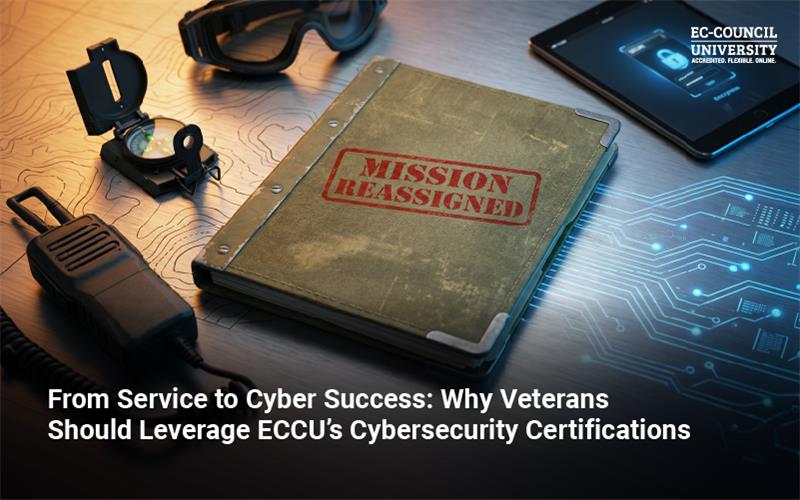
Veterans and Cybersecurity: A Natural Fit
If you’ve served in the U.S. Military, you already possess the mindset and discipline cybersecurity demands. Cybersecurity is fundamentally about protecting critical assets, identifying threats, and managing risk. Veterans are trained to do precisely that.
- Mission focus: Cyber teams operate with defined objectives and measurable outcomes, just like military operations.
- Discipline and accountability: Security protocols require precision, documentation, and adherence to standards.
- Risk awareness: Threat modeling in cybersecurity mirrors operational risk assessments in the military.
Cybersecurity jobs are plentiful. The U.S. Bureau of Labor Statistics projects 32% growth in information security analyst roles from 2022 to 2032, well above the national average. However, translating military experience into civilian cybersecurity roles requires one key element – industry-recognized credentials. This is where EC-Council University (ECCU) makes the difference.
Watch how ECCU helped Retired Major Timothy Amerson become a national cybersecurity leader:
Challenge Veterans Face When Transitioning to Cybersecurity Careers
Despite strong transferable skills, many veterans encounter a frustrating reality:
- Military job titles don’t always translate to civilian HR systems.
- Experience in classified environments may be challenging to document.
- Employers often filter candidates by certifications before reviewing experience.
You may have years of operational security, intelligence, or IT experience, but if your résumé lacks recognized credentials, automated hiring systems may never move you forward. Certifications help validate your expertise in a language employers understand.
What Are Integrated Certifications at ECCU?
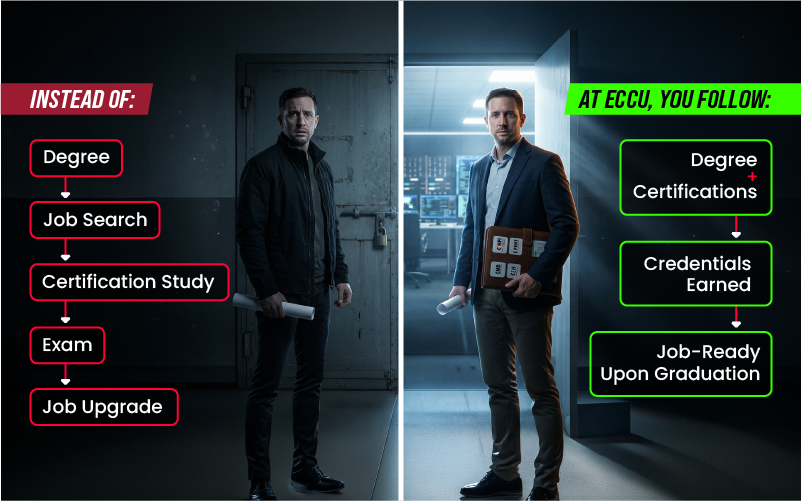
ECCU takes a different approach from traditional universities. Instead of earning a degree first and then pursuing certifications separately, ECCU embeds industry certifications directly into online degree programs.
This means:
- You learn academic theory and cybersecurity frameworks.
- You gain practical experience using modern-day cybersecurity tools in real-world simulations.
- You earn globally recognized cybersecurity certifications along with a degree.
- Reduced Time: No need to duplicate learning after graduation
- Reduced Cost: Certification preparation is integrated into the tuition
- Reduced Redundancy: Coursework aligns directly with certification objectives
You don’t study once for a degree and again for a certification. You do both strategically and efficiently.
Why Certifications Matter in Cybersecurity Job Recruitment
Certifications are often mandatory prerequisites for getting a cybersecurity job. According to a 2023 CyberSeek report, certification requirements appear in thousands of cybersecurity job postings.
Being certified means you demonstrate:
- Verified technical competency
- Commitment to professional standards
- Knowledge aligned with industry frameworks
For veterans transitioning into civilian cybersecurity roles, certifications serve as bridges between military expertise and employer expectations.
ECCU’s Integrated Certifications: Created by Cybersecurity Practitioners
EC-Council University (ECCU) is closely affiliated with EC-Council, the organization that created globally recognized cybersecurity certifications, including Certified Ethical Hacker (CEH) and Certified Penetration Testing Professional (CPENT), among others.
How ECCU Stands Out:
- Renowned worldwide for excellence in advanced cybersecurity education
- Curriculum aligned with real-world job roles and the latest industry requirements
- Faculty of active cybersecurity practitioners and thought leaders
- Practical lab environments for immersive learning experiences
At ECCU, you aren’t learning abstract theory disconnected from industry. You’re developing skills aligned with:
- AI-powered security protocols
- Security Operations Centers (SOCs)
- Threat intelligence teams
- Digital forensics units
- Governance, risk, and compliance (GRC) roles
- Advanced penetration testing practices
- Cloud security frameworks
- And much more!
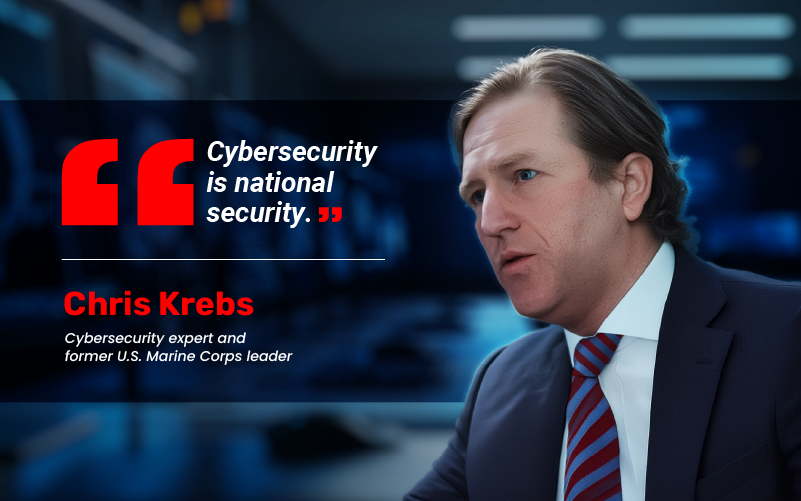
How Integrated Certifications Accelerate Veteran Career Transitions
Veterans are accustomed to structured progression and measurable objectives. ECCU’s integrated learning format mirrors that structure.
Benefits of ECCU’s education model:
- Shortens career transition timelines
- Enhances résumé strength immediately
- Increases confidence during interviews
- Improves earning potential faster
How Studying at ECCU Fits the Veteran Lifestyle
Transitioning from active duty or balancing Reserve commitments requires flexibility. That’s why ECCU offers:
- 100% Online Learning: Study from anywhere, at any time. Ideal for veterans or active-duty service members on the move.
- VA-Approved University: ECCU is approved by the VA to accept GI Bill® benefits. (Verify your eligibility details via the official VA website: https://www.va.gov/education)
- Work-Life Balance: Whether you’re working full-time or supporting a family, ECCU’s flexible learning format allows you to maintain educational momentum without disrupting other responsibilities.
Certification Benefits Across Career Stages
Entry-Level Veterans Exploring Cybersecurity
If you’re new to cybersecurity, integrated certifications:
- Build foundational credibility
- Provide hands-on lab practice
- Open doors to SOC analyst, IT security analyst, and other entry-level cybersecurity roles
Mid-Career Veterans Seeking Specialization
For those with prior IT or cybersecurity experience:
- Certifications help pivot into ethical hacking, digital forensics, or cloud security
- Demonstrate specialization beyond general IT
Long-Term Career Growth
Stackable credentials allow you to:
- Progress into leadership roles
- Enhance earning potential
- Maintain long-term relevance in a rapidly evolving industry
ECCU Degrees That Include Integrated Certifications
ECCU offers cybersecurity-focused degree pathways that may include integrated certification preparation, such as:
- Master of Science in Cyber Security (MSCS)
- Bachelor of Science in Cyber Security (BSCS)
- Cybersecurity-focused Master of Business Administration (MBA)
- Master of Science in Computer Science (MCS)
These programs are structured to meet academic and certification objectives together and are eligible for GI Bill® benefits. Qualified veterans can earn both degrees and certifications simultaneously.
Your Cybersecurity Career Mission Starts Here
Veterans bring unmatched discipline, integrity, and mission-driven focus to cybersecurity.
At EC-Council University, you can:
- Earn a respected cybersecurity degree
- Gain industry-recognized certifications
- Utilize GI Bill® benefits
- Transition confidently into high-demand cyber roles
ECCU is a VA-approved university committed to supporting current and former U.S. Military members as they move into the next phase of service: defending digital infrastructure.
For personalized guidance:
Frequently Asked Questions (FAQs)
Yes. ECCU is VA-approved, allowing eligible veterans and service members to use GI Bill® benefits toward tuition and approved programs.
Integrated certifications are industry-recognized credentials embedded within ECCU degree programs, allowing students to prepare for certification exams during their coursework.
Certifications translate military experience into credentials that civilian employers recognize and often require for hiring.
Yes. ECCU programs are entirely online, making them ideal for working veterans and transitioning service members.
Yes. ECCU offers entry-level pathways for veterans new to cybersecurity, with structured learning and hands-on labs.