
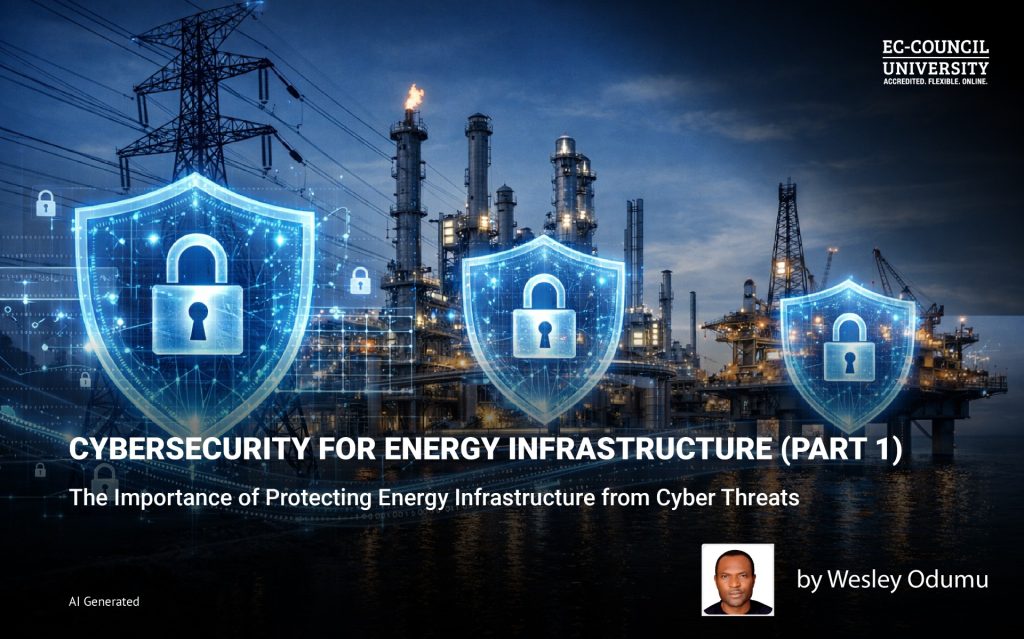
Energy Infrastructure is Essential, and So is Safeguarding It
Energy infrastructure, including power grids, oil and gas pipelines, refineries, nuclear facilities, and renewable energy systems, forms the backbone of modern civilization. Every aspect of contemporary life depends on the continuous and reliable supply of energy. Hospitals rely on electricity to power life-saving equipment, transportation systems depend on fuel and grid stability, financial institutions require uninterrupted power for transactions, and governments rely on energy infrastructure to support defense and emergency services. Without secure and resilient energy systems, economic stability, public safety, and national security are placed at significant risk.
As energy infrastructure undergoes rapid digital transformation, cybersecurity has emerged as a foundational requirement rather than a secondary concern. Traditional physical security measures are no longer sufficient. Today’s energy systems are becoming increasingly interconnected, automated, and data-driven, relying on digital networks that make them vulnerable to cyber threats. A single cyber incident can now disrupt energy supply across entire regions, underscoring the importance of cybersecurity in safeguarding critical energy infrastructure in a highly connected world.
Why Energy Infrastructure Is a High-Value Target
Economic Importance
Energy systems are the engine of economic activity. Manufacturing plants, logistics networks, financial markets, and digital services all rely on a stable energy supply. A cyberattack that disrupts power generation or fuel distribution can halt industrial production, interrupt supply chains, and lead to massive financial losses. For energy companies themselves, such incidents can result in lost revenue, regulatory penalties, and long-term reputational damage.
At a national level, prolonged energy outages can reduce GDP, destabilize markets, and undermine investor confidence. Cyberattacks targeting energy infrastructure, therefore, represent not only technical failures but also economic threats with far-reaching consequences.
National Security Role
Energy infrastructure plays a critical role in national security. Military bases, surveillance systems, border security, and emergency response services all depend on reliable access to energy. During times of conflict or geopolitical tension, energy systems often become strategic targets for adversaries seeking to weaken a nation’s operational readiness or morale.
State-sponsored cyberattacks targeting energy infrastructure have increasingly become tools of hybrid warfare. By disrupting power grids or fuel supply without firing a single shot, adversaries can exert political pressure, create public unrest, and compromise national defense capabilities.
Societal Dependence
Modern societies are heavily dependent on energy for their everyday lives. Electricity powers homes, communication networks, healthcare facilities, water treatment plants, and public transportation systems. Heating and cooling systems are critical for vulnerable populations, particularly during extreme weather conditions. A cyber-induced power outage can quickly escalate into a public health and safety crisis.
Because energy infrastructure supports so many interconnected services, failures often produce cascading effects. For example, power outages can simultaneously disrupt telecommunications, emergency services, and digital payment systems, amplifying the impact far beyond the initial point of failure.
Global Implications of Energy Infrastructure Security
The importance of energy infrastructure extends well beyond national borders. In an increasingly globalized world, energy systems are interconnected through cross-border pipelines, shared power grids, and international energy markets. Cybersecurity weaknesses in one country can have ripple effects across regions and continents.
Energy Security and Geopolitics
Climate Change and Energy Transition
The global transition toward renewable energy and smart grids introduces new cybersecurity challenges. Wind farms, solar installations, energy storage systems, and electric vehicle charging networks rely heavily on digital technologies and remote connectivity. While these systems support sustainability goals, they also expand the cyberattack surface.
Ensuring the cybersecurity of renewable energy infrastructure is critical to maintaining trust in clean energy systems and achieving long-term climate objectives. Cyber incidents that disrupt renewable energy generation or grid stability can slow adoption and undermine public confidence in the energy transition.
Digital Transformation and Cybersecurity Risks
The energy sector’s digital transformation has delivered significant operational benefits, including improved efficiency, predictive maintenance, and real-time monitoring. However, these advancements come with an increased risk of cyberattacks.
Modern energy environments depend on Industrial Control Systems (ICS), Supervisory Control and Data Acquisition (SCADA) systems, cloud platforms, Internet of Things (IoT) devices, and increasingly converged IT-OT networks. Many of these systems were initially designed for reliability and performance, rather than cybersecurity. As a result, they often lack built-in security controls and are difficult to patch without disrupting operations.
The convergence of IT and OT networks has further blurred security boundaries. Attackers who gain access to corporate IT systems can pivot into operational environments, where the consequences of compromise are far more severe. A cyber incident in these environments can lead to equipment damage, environmental harm, production shutdowns, and safety hazards for workers and communities.
From Technical Issue to Strategic Imperative
Cyber incidents affecting energy infrastructure are no longer hypothetical; they are a reality. They have resulted in prolonged outages, fuel shortages, environmental risks, and significant economic losses. In extreme cases, cyberattacks on energy systems can endanger human lives by disrupting healthcare services, emergency response, or critical safety systems.
For these reasons, cybersecurity must be treated as a strategic imperative, not merely an IT responsibility. Effective protection of energy infrastructure requires executive leadership, cross-sector collaboration, and long-term investment in resilient security architectures. Cybersecurity decisions must be integrated into broader risk management, operational planning, and national security strategies to ensure adequate protection.
Final Thoughts
As the world becomes more digitally connected and energy systems grow more complex, the cybersecurity of energy infrastructure has become a defining challenge of the modern era. Energy infrastructure is not only the foundation of economic activity and societal well-being, but it is also a strategic asset with global implications. Cyber threats targeting these systems have the potential to destabilize economies, compromise national security, and undermine public trust.
Protecting global energy infrastructure requires a proactive and holistic approach to cybersecurity, one that acknowledges the distinct risks of digital transformation and the far-reaching consequences of failure. By prioritizing cybersecurity at every level, energy organizations and governments can ensure resilient, reliable, and secure energy systems that support a stable and sustainable future.
About the Contributing Author

For over 10 years, Wesley Odeh Odumu has served as a Lecturer and Engineer in the Department of Computer Engineering at the School of Science and Engineering Technology, Plateau State Polytechnic (Nigeria). He has contributed to several research projects in the fields of computer science and IT security.